
Understanding Fitness Assessments: A Guide to Your Health Metrics
Updated: Jan 30
When I first started my fitness journey, I quickly realized that knowing where I stood was just as important as knowing where I wanted to go. That’s where a fitness assessment comes in. It’s a powerful tool that helps you understand your current health and fitness levels. Whether you’re an individual looking to improve your personal health or a business aiming to boost employee wellness, understanding your health metrics is the first step toward lasting transformation.
Fitness assessments are more than just numbers on a page. They tell a story about your body, your strengths, and areas that need attention. In this guide, I’ll walk you through the key components of a fitness assessment, why they matter, and how you can use this information to take control of your health.
Understanding Fitness Assessments: What They Are and Why They Matter
A fitness assessment is a comprehensive evaluation of your physical health and fitness levels. It typically includes measurements like body composition, cardiovascular endurance, muscular strength, flexibility, and sometimes even posture and balance. These metrics give you a clear picture of your current state and help set realistic goals.
For example, knowing your body fat percentage can be more insightful than just tracking your weight. It tells you how much of your body is fat versus lean muscle. Similarly, measuring your cardiovascular endurance through a simple test like a timed walk or run can reveal how well your heart and lungs are working.
Here’s why these assessments are so valuable:
Personalized Plans: They help fitness professionals create workout and nutrition plans tailored to your unique needs.
Tracking Progress: Regular assessments show how far you’ve come and keep you motivated.
Injury Prevention: Identifying weaknesses or imbalances can prevent injuries.
Health Insights: Some metrics can indicate risks for conditions like diabetes or heart disease.
If you’re serious about improving your health, a fitness assessment is a smart place to start.
Key Health Metrics to Know
Let’s break down the most important health metrics you’ll encounter during a fitness assessment. Understanding these will help you make sense of your results and what they mean for your health.
1. Body Composition
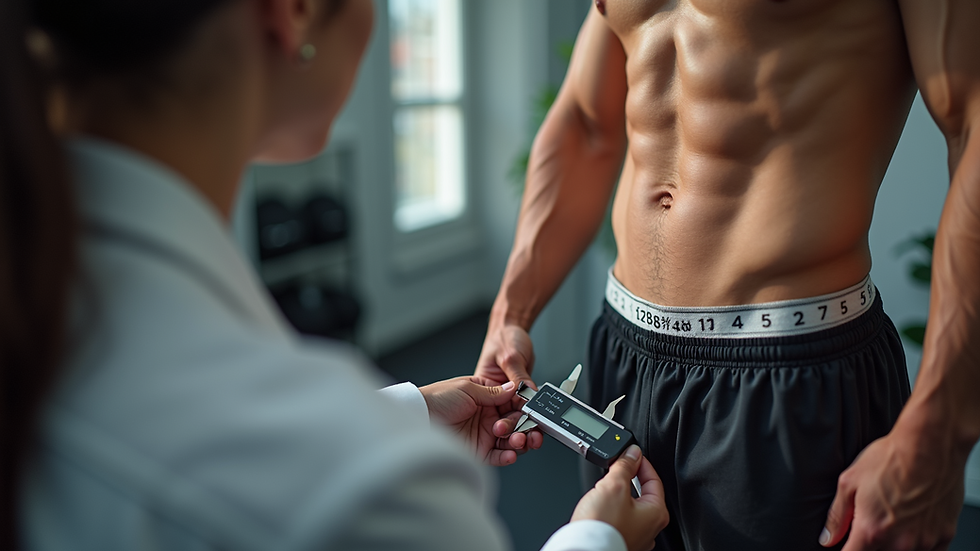
This measures the proportion of fat, muscle, bone, and water in your body. Common methods include skinfold calipers, bioelectrical impedance, and DEXA scans. A healthy body composition means having a higher percentage of lean muscle and a lower percentage of body fat.
Why it matters: Muscle burns more calories than fat, even at rest. Improving your body composition can boost metabolism and overall health.
2. Cardiovascular Endurance
This measures how efficiently your heart and lungs supply oxygen during exercise. Tests like the 1-mile walk, step test, or treadmill run are common.
Why it matters: Good cardiovascular health reduces the risk of heart disease and improves energy levels.
3. Muscular Strength and Endurance
Strength tests might include lifting weights or performing push-ups, while endurance tests measure how long muscles can perform repeated actions.
Why it matters: Strong muscles support your joints, improve posture, and help with daily activities.
4. Flexibility
This measures the range of motion in your joints. Simple tests like the sit-and-reach can assess flexibility.
Why it matters: Flexibility reduces injury risk and improves movement quality.
5. Resting Heart Rate and Blood Pressure
These vital signs give insight into your cardiovascular health.
Why it matters: Lower resting heart rates and healthy blood pressure levels are signs of good heart health.
By understanding these metrics, you can see where you excel and where you might need to focus more effort.
Why Did Obama Cancel the Presidential Fitness Test?
You might wonder why the Presidential Fitness Test, a long-standing tradition in schools, was canceled during President Obama’s administration. The test, which measured students’ physical fitness through activities like sit-ups, push-ups, and running, was criticized for being too rigid and not inclusive of all children’s abilities.
The decision to cancel it was part of a broader effort to promote a more holistic and positive approach to youth fitness. Instead of focusing on competition and scores, the new approach encourages lifelong physical activity and wellness habits that suit individual needs.
This shift aligns with what we now understand about fitness assessments in general: they should be personalized, encouraging, and supportive rather than punitive or one-size-fits-all.

How to Prepare for Your Fitness Assessment
Preparing for a fitness assessment can help you get the most accurate results and feel confident during the process. Here are some tips I’ve found useful:
Wear Comfortable Clothing: Choose clothes that allow you to move freely.
Stay Hydrated: Drink plenty of water before your assessment.
Avoid Heavy Meals: Eat a light meal 1-2 hours before testing.
Rest Well: Get a good night’s sleep to ensure your body is ready.
Avoid Intense Exercise: Skip heavy workouts 24 hours before the test.
Be Honest: Share any health concerns or injuries with your assessor.
Remember, the goal is to get a clear picture of your current fitness, not to perform at your absolute best. This honesty helps create a plan that’s safe and effective.
Using Your Fitness Assessment Results to Take Control
Once you have your results, the real work begins. Here’s how you can use your health metrics to create a plan that works for you:
Set Realistic Goals: Use your assessment to set achievable short-term and long-term goals.
Focus on Weaknesses: If your flexibility is low, add stretching routines. If cardiovascular endurance needs work, try walking or cycling.
Track Progress: Schedule regular assessments every 3-6 months to see improvements.
Celebrate Wins: Every improvement, no matter how small, is a step forward.
Seek Support: Work with fitness professionals who can guide and motivate you.
For businesses, sharing these insights with employees can foster a culture of health and wellness. Offering personalized fitness assessments as part of corporate wellness programs can boost morale, reduce absenteeism, and improve productivity.
Taking the Next Step with Total Fitness Control
If you’re ready to take charge of your health, Total Fitness Control in Decatur and the Atlanta area is here to help. We specialize in personalized fitness programs that start with a thorough fitness assessment. Our goal is to support you every step of the way, whether you’re an individual seeking transformation or a company looking to enhance employee wellness.
By understanding your health metrics, you gain the power to make informed decisions. This knowledge is the foundation for lasting change and a healthier, happier life.
Start your journey today with a professional fitness assessment and discover what your body can truly achieve.
Thank you for reading! Remember, every step you take toward understanding your health is a step toward a better you.


Comments